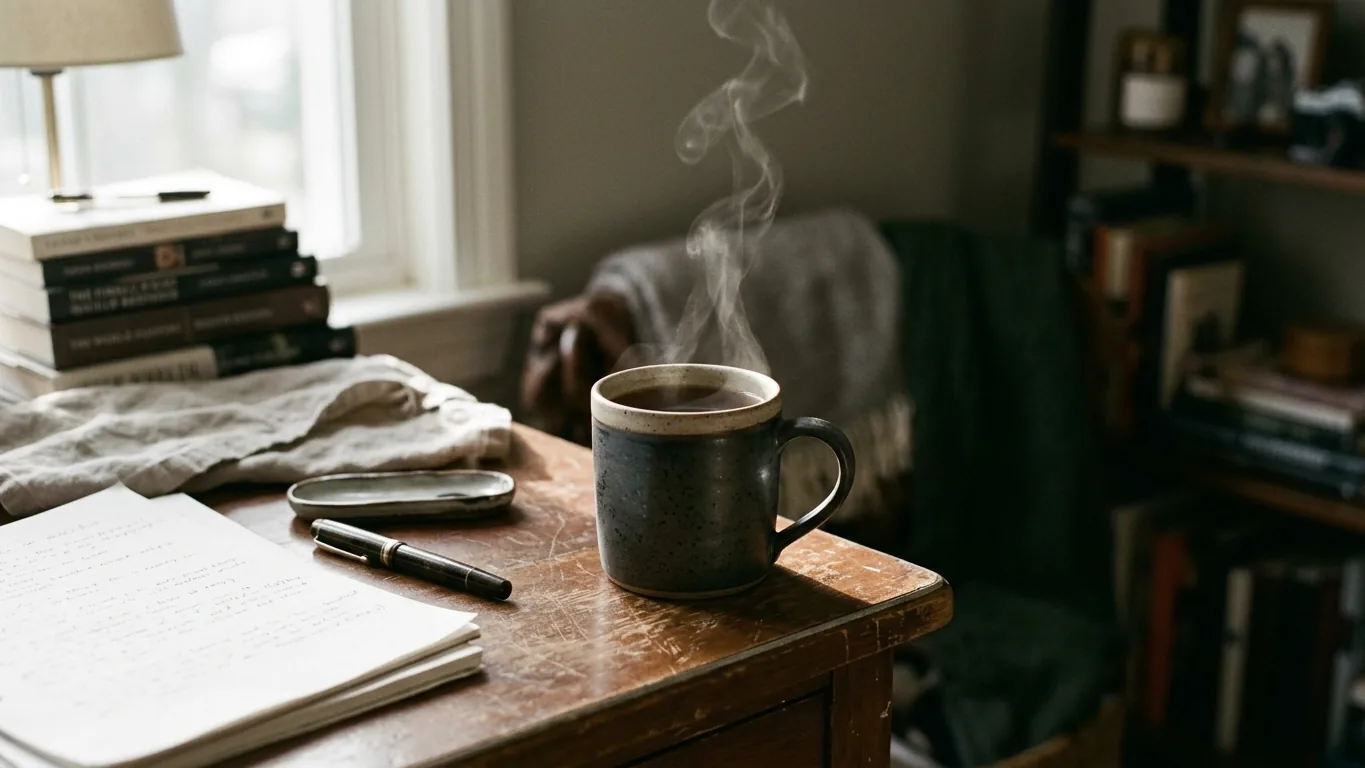
A Short Defence of the Small Kindness
The gestures that change people are almost never the large ones, and there is a reason for that.
Ask someone about a kindness that stayed with them and watch what they choose.
It is almost never the expensive thing. It is a neighbour who cut the grass without mentioning it. A teacher who said one sentence in a corridor. Somebody who noticed they had gone quiet at a table and steered the conversation away from them without making it obvious.
The large gestures are remembered too, but differently, more like facts than like moments. It is the small ones people carry around and produce twenty years later with their voice slightly changed.
Why the small ones land harder
Three reasons, and none of them are sentimental.
A small kindness is unmistakably voluntary. Nobody expected it and nobody would have noticed its absence, which means the recipient can only explain it one way: someone chose to. Large gestures often arrive wrapped in obligation, occasion, or expectation, and the recipient is never entirely sure what they were.
A small kindness is proportionate to being seen. Grand help says I have understood the scale of your problem. A cup of tea put down beside you at the right moment says I have understood your afternoon, and there are stretches of life where being understood at the scale of an afternoon is worth considerably more.
And a small kindness costs the receiver nothing. This is the one people underestimate. Significant help creates a debt, and people in difficulty are frequently already drowning in the sense of being a burden. A small kindness is small enough to accept without accounting. It slips under the guard.
A small kindness is small enough to accept without accounting.

The problem of waiting to do enough
There is a common and entirely well meaning failure that goes like this. Someone you know is in trouble. You want to help properly. You are not sure what would be genuinely useful, and you are aware that the wrong move might be intrusive. So you wait until you have a good idea.
The good idea does not come, and the waiting turns into weeks, and by then reaching out feels awkward because so much time has passed, and so you do nothing at all. This is how decent people end up absent from the lives of friends they love, usually somewhere in the middle of a long season.
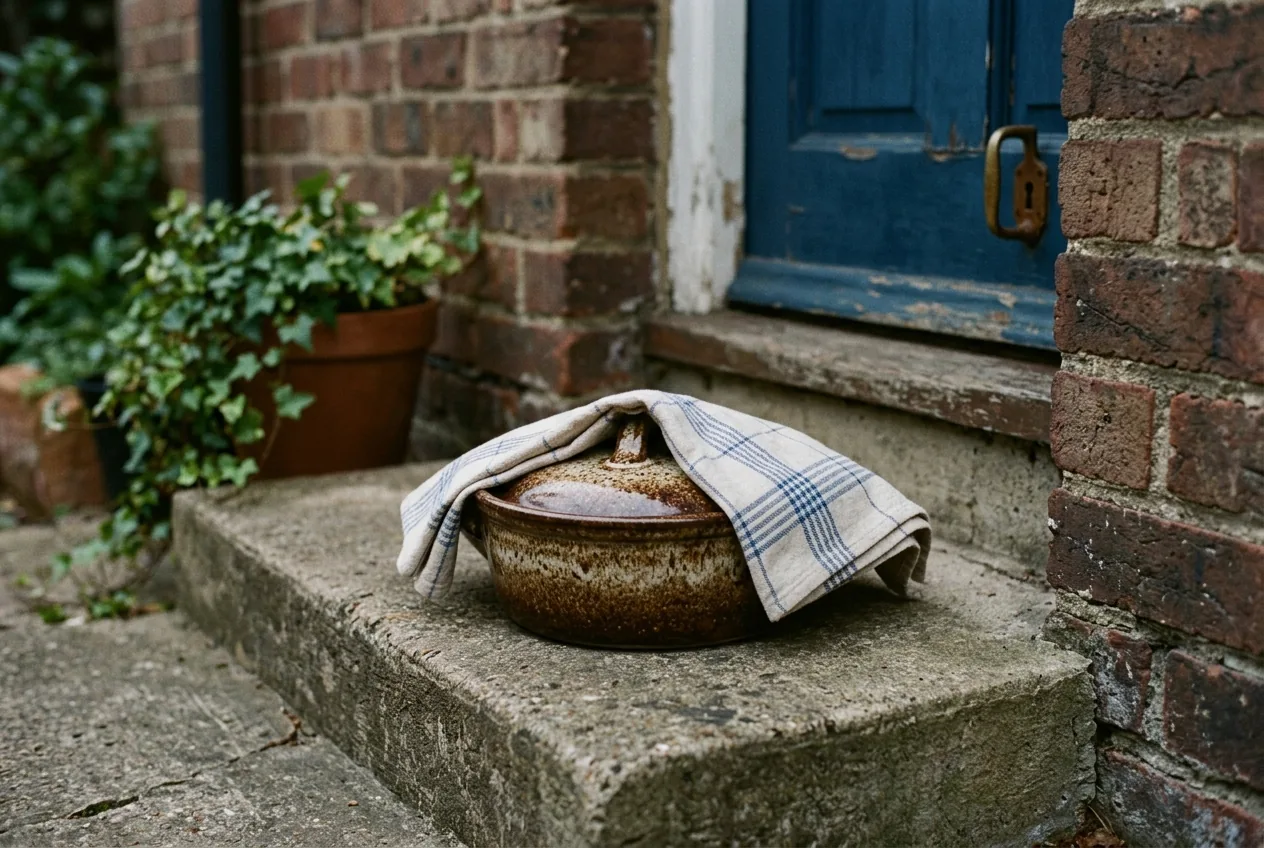
The way out is not better ideas. It is lowering the bar until action becomes possible. Send the message that says nothing except that you thought of them. Drop something at the door. Ask a specific question rather than offering general help, because let me know if you need anything puts the work back on the person with the least capacity to do it, whereas I am at the shop, what do you want can simply be answered.
The multiplier nobody mentions
Small kindnesses have a strange property: they are contagious in a way that large ones are not.
Watching someone perform an enormous act of generosity mostly produces admiration, and admiration is a spectator emotion. Watching someone do a small decent thing produces something more useful, which is the thought I could do that. The barrier to imitation is low enough that people actually cross it.
This is why the culture of a workplace, a street, or a family is set far more by dozens of tiny gestures than by any policy or grand act. The small things are the only ones that get copied.
So if you have been waiting until you can do something that matters, consider that you may have the criteria backwards. Do the thing that takes four minutes. Do it now, before you have thought of anything better. That is not a lesser version of kindness. On the available evidence, it is most of what kindness has ever actually been.