
The Books That Arrive Uninvited
A book you chose and a book that turned up are not the same object, even when they are the same book.
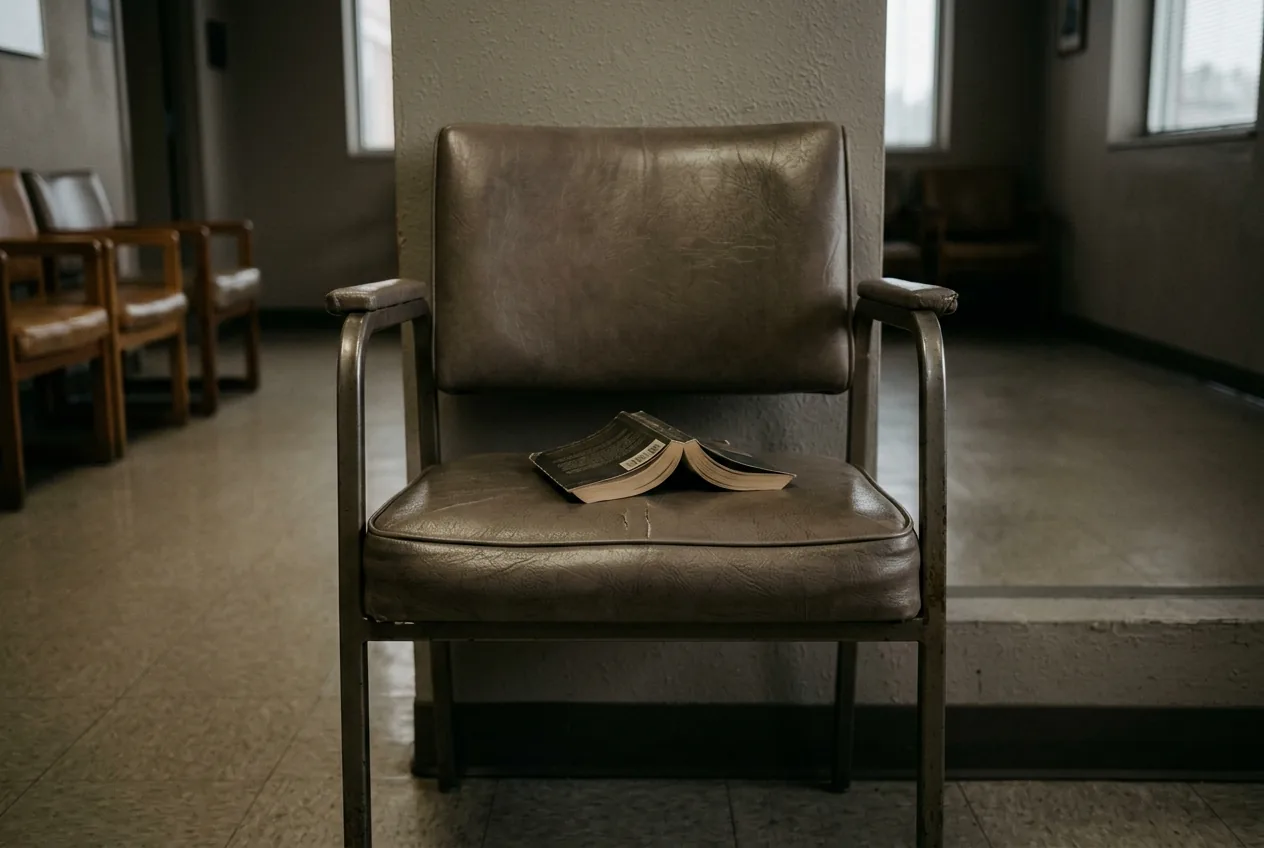
There is a shelf in most hospitals, prisons, shelters, and waiting rooms that nobody curated.
It is made of donations and abandonments. A thriller with the cover gone. Somebody's course text. Three copies of the same novel. It is not a library and it is not trying to be, and yet a surprising number of people will tell you that a book which mattered to them came off exactly such a shelf.
That is worth sitting with, because it runs against how we normally think reading works. We assume the reader chooses. In practice, in the circumstances where reading does the most work, the reader frequently does not choose at all.
Why the unchosen book has an advantage
When you buy a book you have already decided something about yourself. You have identified as the sort of person who wants that. The book has to compete with the version of you that selected it, and it usually loses. That is why so many bought books are never opened.
A book that simply turns up has no such problem. There is no self image attached to it and no expectation to disappoint. You are bored, or frightened, or waiting for a result, and it is the only thing on the table.
That is a strangely favourable set of conditions. The defences are down, not because the reader has become open minded but because they have run out of alternatives, and a great deal of what people call a book finding them at the right time is really this: an ordinary book meeting an unusually undefended reader.
A great deal of what people call the right book at the right time is an ordinary book meeting an undefended reader.
The particular use of poetry there
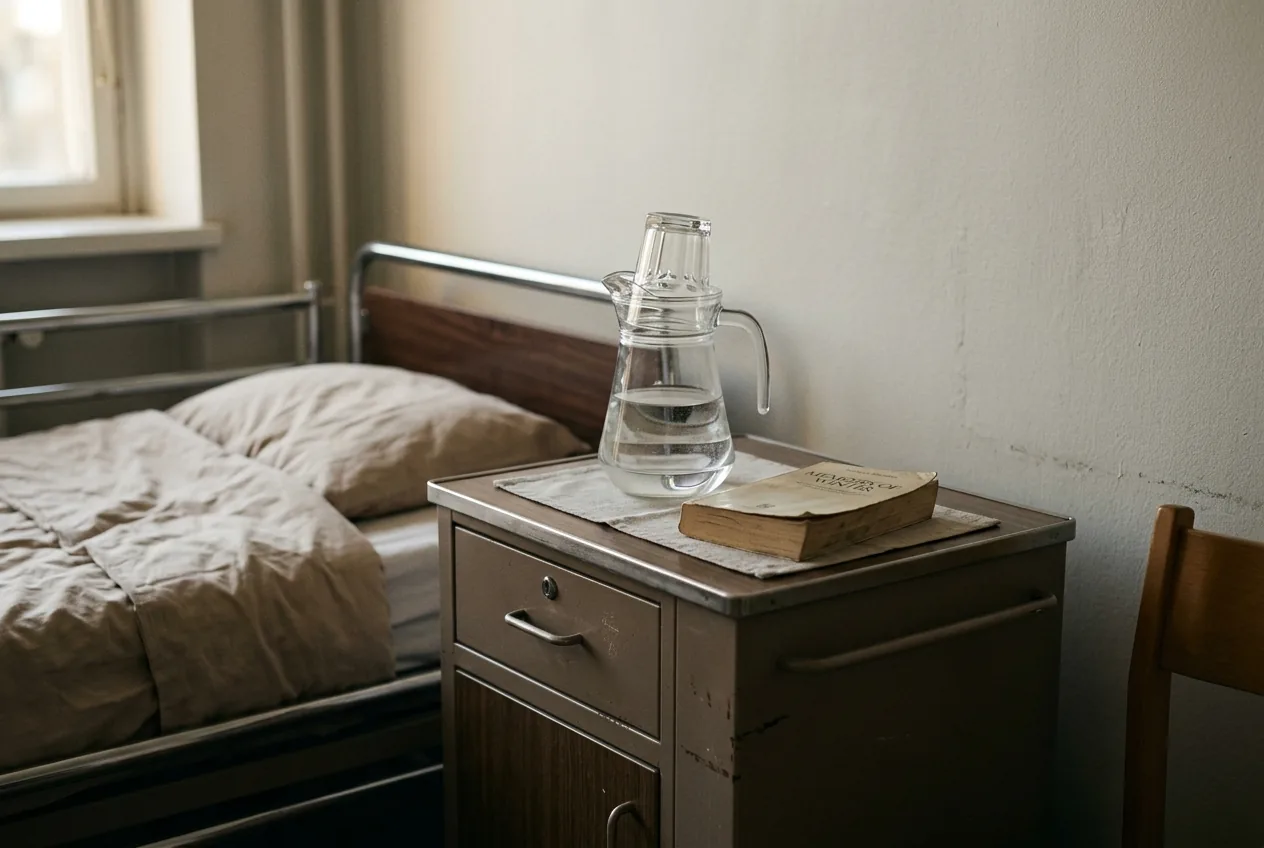
Poetry has an odd practical advantage in these places, and it is not spiritual. It is structural.
In a hospital, a cell, a shelter, or a recovery ward, sustained concentration is hard to come by. Interruptions arrive constantly. Sleep is broken. A novel demands that you hold a great deal in your head across days, and when you cannot, the failure to follow it becomes one more thing you are not managing.
A poem takes ninety seconds. You can finish it between interruptions, and it rewards a second reading when there is time for one. You can read the same one four times without having lost your place. It asks for the amount of attention that is actually available, which is a small mercy and not a small one at all.
What giving a book is really doing
It is tempting to overstate this. Nobody's circumstances are fixed by a paperback.
But a book placed somewhere is a very specific kind of message, and the message is not in the text. It says that somebody who does not know you assumed you would want something to read. That is a small assumption and an unusual one to receive in an institutional setting, where the overwhelming daily communication is that you are a case being processed.
The book says: we thought you might like to think about something. It treats the reader as a person with an interior life. In some rooms that is nearly the only object present making that assumption.

The practical version
If you want to do this, the useful details are small.
Give books that can be picked up and put down. Short chapters, poems, essays. Give them without inscription, because a personal message quietly asks for a response and people in hard places have nothing spare for responding. Give more than one, so there is a choice, since choice is often the scarcest thing in the room.
And accept that you will never hear anything back. That is the nature of it. You are putting something on a shelf you will not see, for a reader you will not meet, on the reasonable assumption that at some point somebody will be sitting there with nothing to do and a long night ahead of them.
That is not a small thing to arrange for a stranger.