
How to Keep a Notebook You Will Actually Use
Most notebooks die on page four. The reasons are predictable, and so are the fixes.
Somewhere in your house there is a beautiful notebook with eleven pages used.
This is close to universal, and the usual explanation, that you lack discipline, is almost certainly wrong. Notebooks fail for structural reasons, and once you can see them the problem stops being about character.
Reason one: the notebook was too nice
A good notebook creates an implicit standard. Heavy paper and a sewn binding communicate that what goes inside should be worth the object, and that standard is fatal, because the entire value of a notebook lies in its willingness to receive rubbish.
Notebooks are for material that is not yet good. A half thought, an overheard line, a description that does not work. If the first page has to justify the cover, you will write nothing until you have something impressive, and impressive things do not arrive on schedule.
Buy the cheap one. Write badly in it immediately, on the first page, deliberately, to get the object out of the way.
Reason two: it had no job
"Notebook" is not a use. Most abandoned notebooks were bought with a vague intention to write more, which provides nothing to do on any specific Tuesday.
Give it a narrow job and the emptiness resolves. One line about the day. Things overheard. Sentences you liked in other people's books. Descriptions of weather, which sounds absurd and is one of the best training exercises available because the subject is inexhaustible and you can never quite get it.
Narrow is not limiting. Narrow is what makes it possible to start, and starting is the only difficulty that actually matters.
Notebooks are for material that is not yet good.
Reason three: it was a performance
A surprising number of notebooks are being written for an imagined reader. You can hear it in the prose: slightly explained, slightly arranged, the phrasing of someone who suspects this might be read one day.
That voice is a disaster in a notebook, because the useful stuff is precisely the material you would not say in public. The unresolved. The unkind observation. The thing you do not yet know whether you believe.
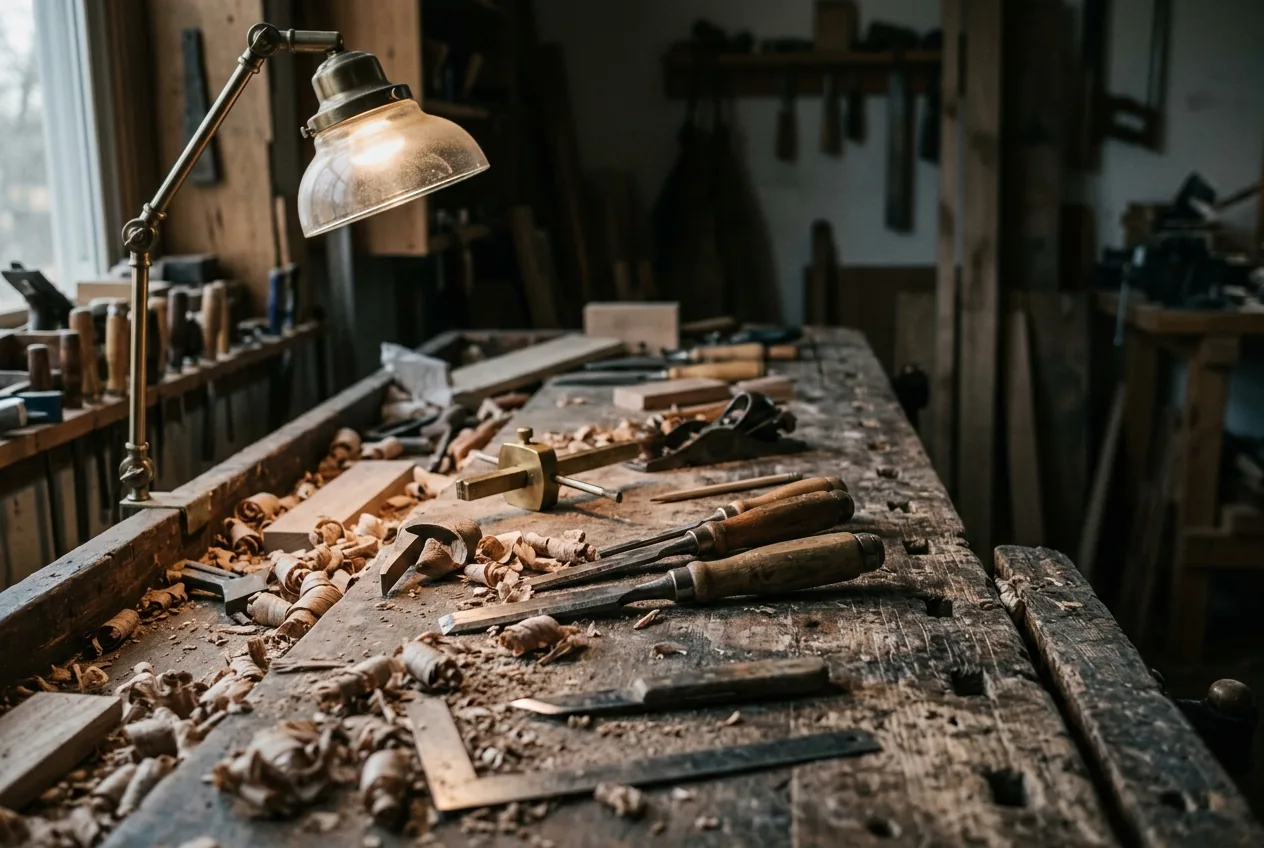
If you cannot switch the imagined reader off, write in a way that guarantees privacy. Terrible handwriting. Fragments. Deliberately unfinished sentences. The notebook is not a document. It is a workshop, and workshops are meant to be full of offcuts.
What it is actually doing
Here is the part that makes it worth the trouble.
The value of keeping a notebook has very little to do with the contents. Almost nothing in it will be used. Go back through a year of entries and the yield might be four lines.
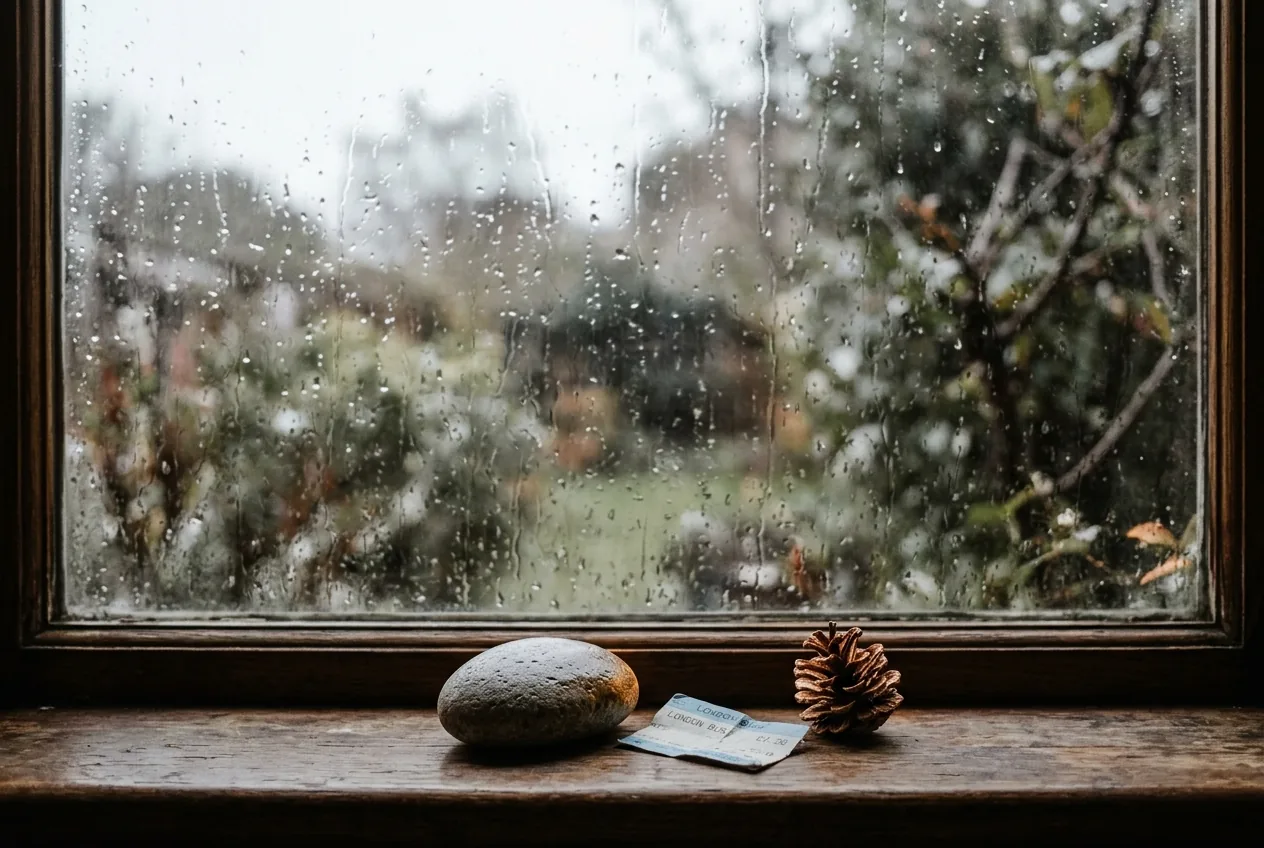
The value is that keeping one changes how you move through a day. Once there is somewhere for observations to go, you start collecting them, and the collecting is the transformation. You begin noticing the thing your daughter said in the car, the specific quality of light in a waiting room, the phrase the shopkeeper used that you had never heard. It is the same shift bad weather produces, made deliberate. Not because you are more sensitive than you were, but because you have somewhere to put it.
That is the mechanism. The notebook is not a storage device. It is a permission slip to pay attention, and people who carry one see more, which is worth having whether or not a single word ever leaves the page.
Four lines a year is a good return. The rest of it was never the point.