What Rain Does to a Street
Bad weather is the cheapest lesson in attention anyone ever gets, and almost nobody takes it.
A dry street is almost invisible. You have walked down it a thousand times and could not describe the paving.
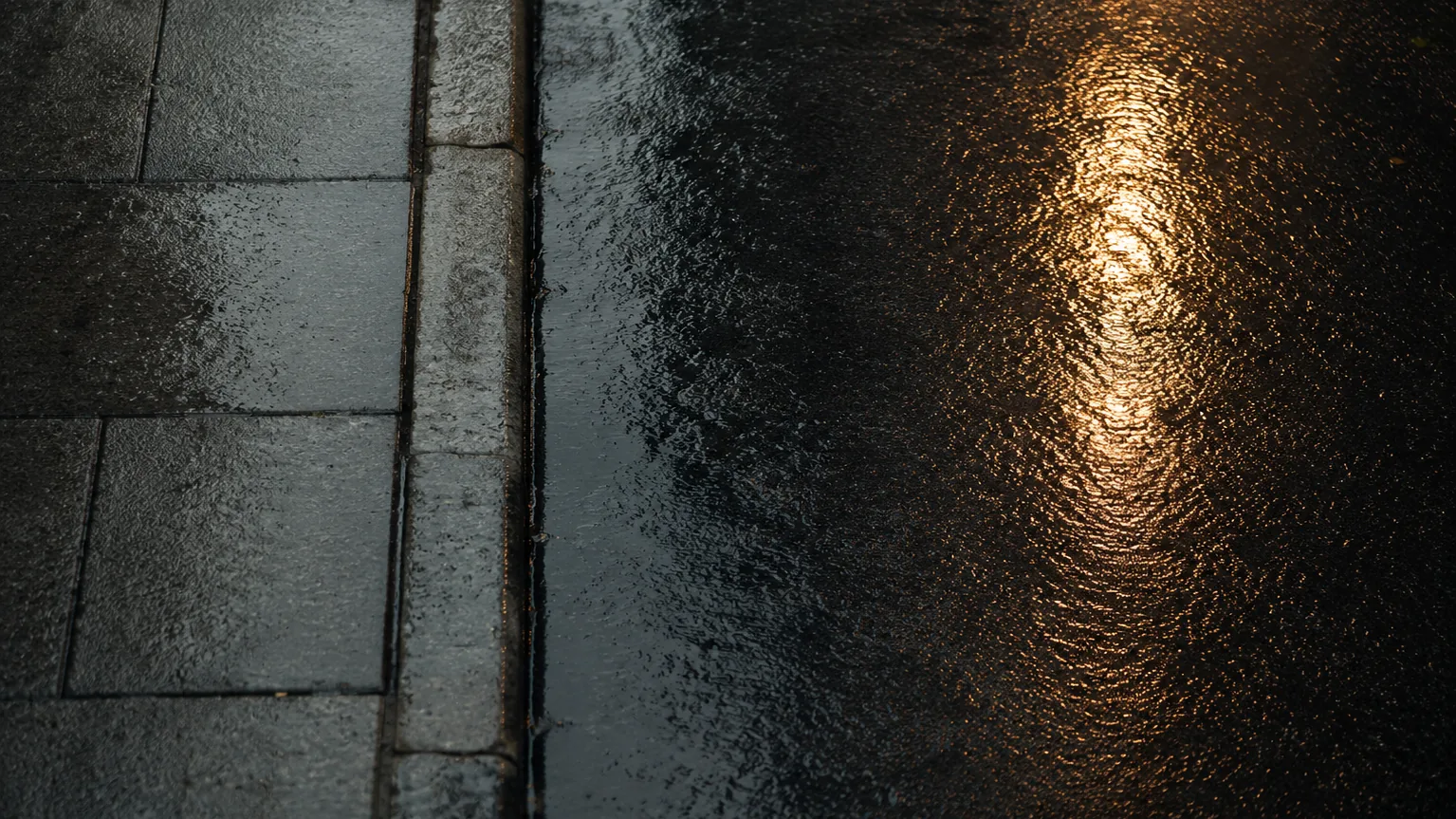
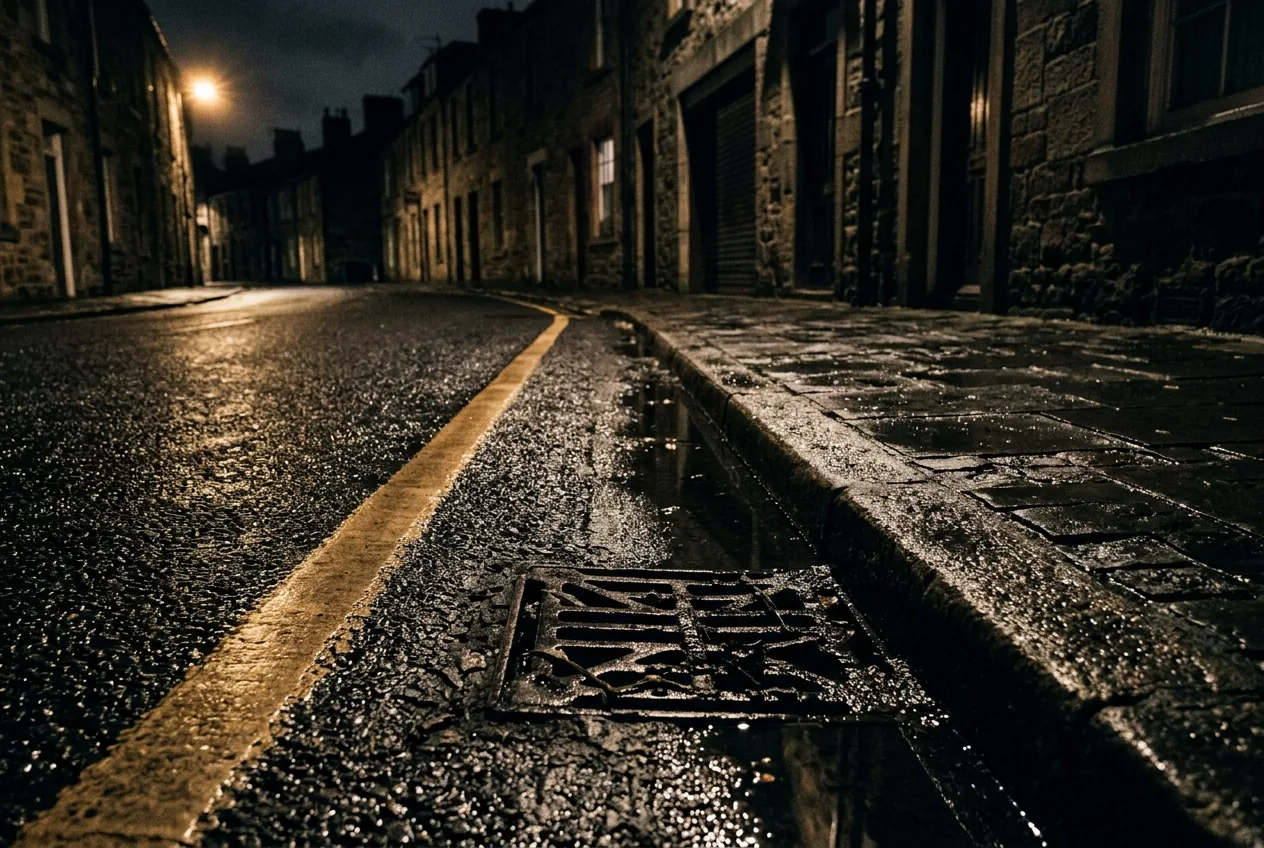
Then it rains, and the same street becomes a different place. The road turns black and starts holding light. Every streetlamp acquires a twin lying flat beneath it. Colours you never noticed on shopfronts come loose and float across the tarmac. The whole surface goes from a thing you walk on to a thing that looks back at you.
Nothing has been added. The street has not gained a single feature. Water has simply made it reflective, and reflection is enough to turn the ordinary into something worth stopping for.
The useful part of this
Writers talk a great deal about finding material, as though material were scarce and located somewhere else. Usually it is not scarce. It is underfoot, and dry.
What rain does to a street is what attention does to a life. The material was always there. What changes is the surface condition of the observer. Grief does this. So does illness, and love, and being somewhere unfamiliar, and occasionally a very good night's sleep. Something wets the surface and suddenly the day is full of things that were previously invisible because they were normal.
The material was always there. What changes is the surface condition of the observer.
This is worth knowing because it is a defence against the belief that you have nothing to say. The belief is almost always a description of your surface, not your circumstances. People who think their lives are too ordinary to write about are frequently living inside more than they can carry. They have simply gone dry.
Practising on purpose
You cannot make it rain. You can do the smaller thing, which is to slow down in front of something you have already dismissed.
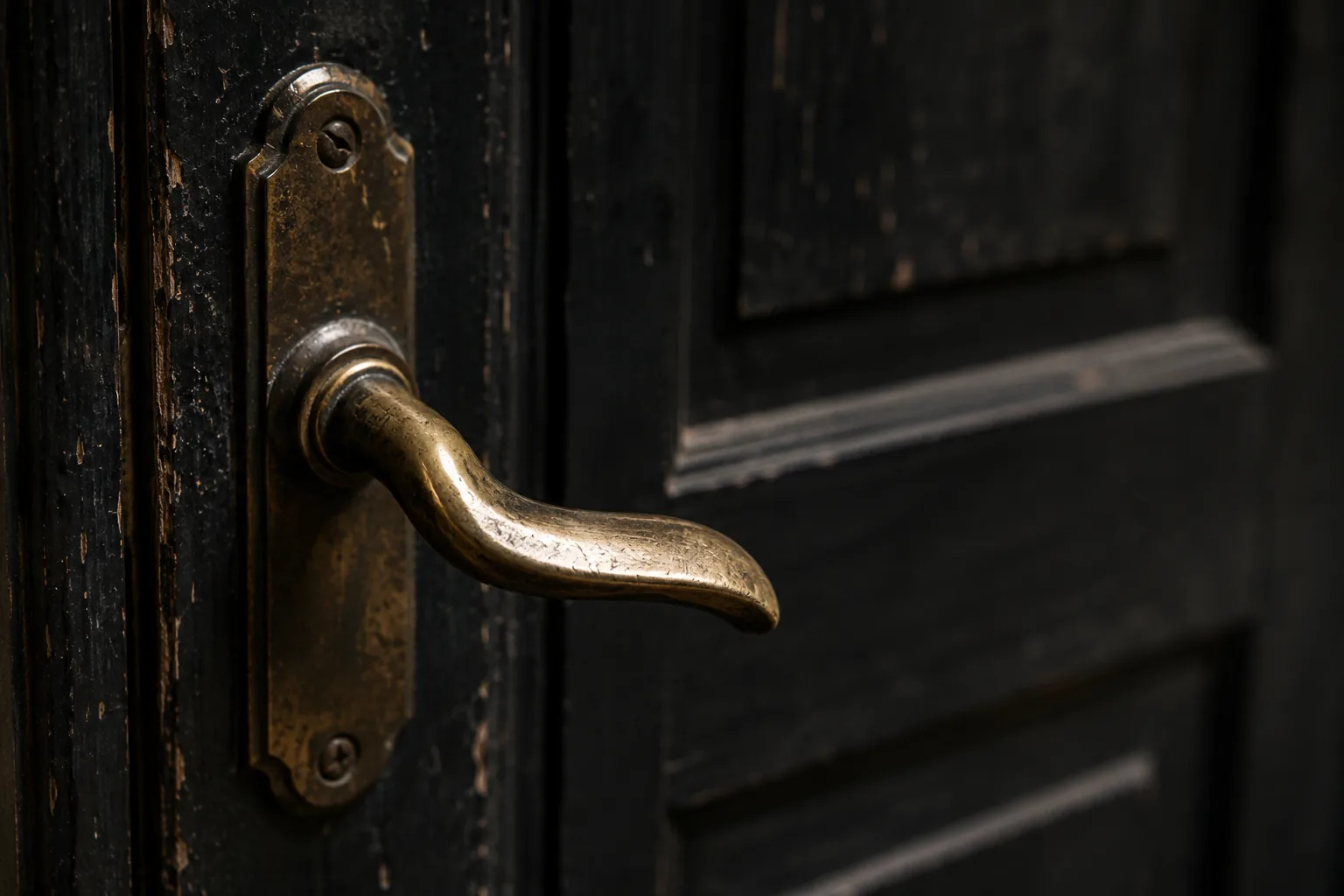
Pick an object you see every day and have never once looked at. It helps to have somewhere to put what you find. A door handle. The corner where two walls fail to meet properly. The exact sound your kettle makes just before it gives up. Spend two minutes on it. Not writing, just looking. Two minutes is much longer than it sounds and the discomfort in the second minute is the point, because that is where the automatic looking runs out and the real looking has to begin.
Most of what you find will be worthless. That is fine. Attention is not a slot machine. It is more like leaving a bucket out. What you are training is the willingness to keep looking after your interest has expired, which is exactly the skill that separates a description from an observation.
Why it matters beyond writing
None of this is really about craft.
The people who report being happiest in ordinary circumstances are usually not the ones with the most interesting circumstances. They are the ones who have kept some capacity for being struck by things. That capacity is not a personality trait handed out at birth. It behaves like a muscle. It wastes quietly when unused, and it comes back slowly when it is asked for again.
There is a version of a life in which nothing is remarkable because everything has been seen already, and the terrible thing about that version is that it feels like wisdom. It feels like having grown up. It is not. It is just a dry street.
So the next time it rains and the road turns into a mirror, stand there for a moment longer than is reasonable. Not for the poem in it. For the practice.