Hope Is Not Optimism
One of them requires the odds to be good. The other one does not care about the odds at all.
The two words get used as though they were interchangeable, and the confusion causes real damage.
Optimism is a forecast. It says the situation will probably improve, and it depends entirely on the evidence holding up. This makes it fragile in exactly the circumstances where you need it most. Tell an optimist that the results came back badly and the optimism has nowhere to stand. It was never a stance. It was a prediction, and predictions fail.
Hope is a different kind of thing altogether. It does not claim to know the outcome. It is a decision about how to stand while the outcome is unknown, and that is precisely why it survives news that flattens optimism completely.
Why the difference is practical
Consider what people actually mean when they say they have lost hope. They rarely mean they have recalculated the probabilities. They mean something has gone out of them, some willingness to keep participating in their own life.
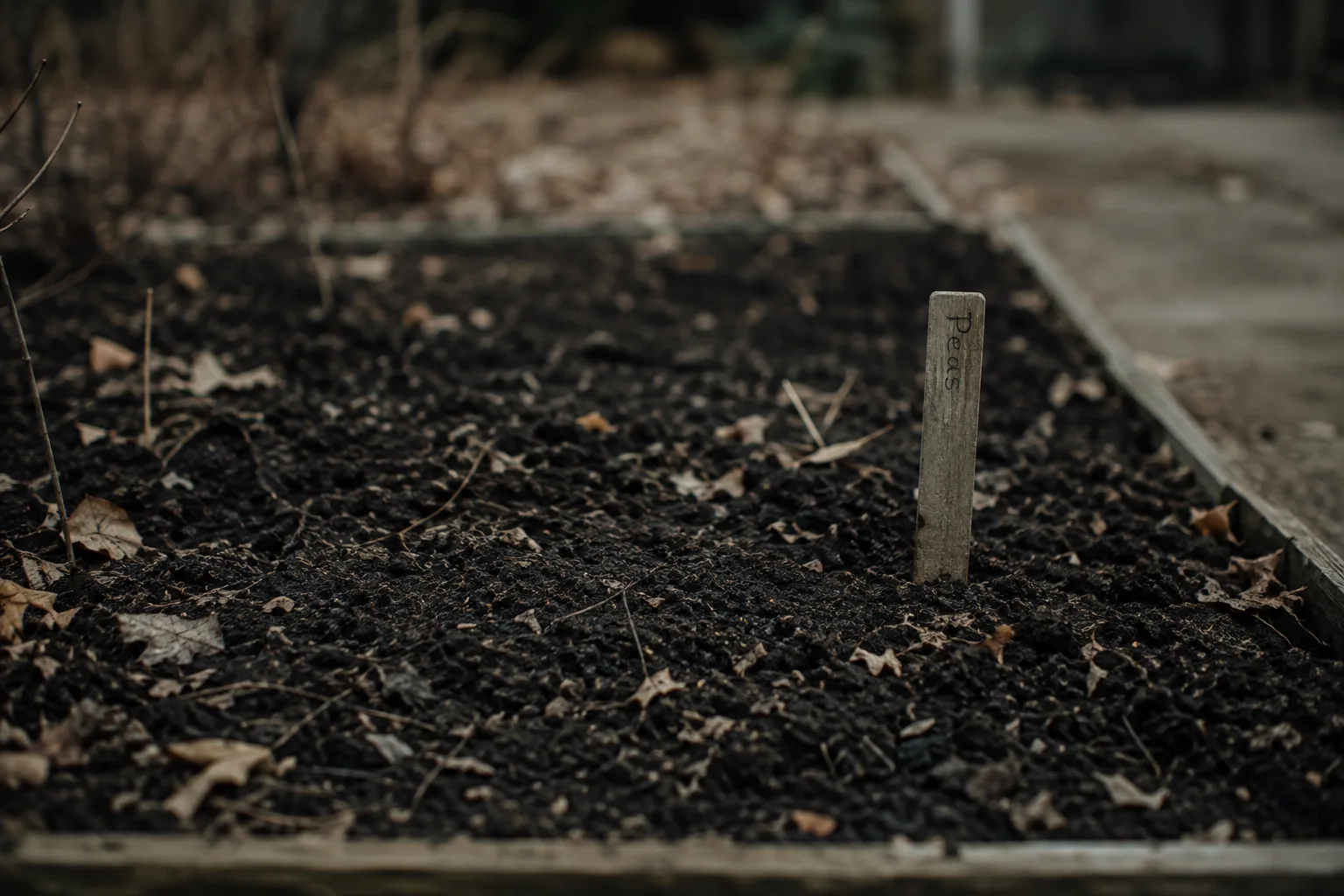
That is the tell. Hope is not primarily an assessment. It is a form of participation. You can see it in the small behaviours that persist when nothing else does. Someone in a very bad season who still makes the bed, still calls their sister back, still puts the seeds in the ground in October, is not being optimistic about anything. They are doing the thing that hope actually is, which is continuing to act as though the future is worth preparing for.
Hope is not primarily an assessment. It is a form of participation.
This is why the well meant advice to stay positive so often lands as an insult. It asks for the fragile thing. It asks someone to produce a forecast they have no reason to believe, and it quietly implies that their failure to produce it is a character flaw. Nobody in a hard season needs a cheerful projection. They need something sturdier and much less pleasant to say out loud, which is that the situation may not improve and it is still worth getting up.
What hope costs
There is a sentimental version of hope that costs nothing, and it is worth naming so you can stop expecting yourself to feel it.
Real hope is frequently unpleasant. It keeps you exposed, and it is hardest to hold in the long stretch where nothing resolves. Giving up has an enormous advantage, which is that it ends the suspense, and anyone who has stayed hopeful through a long uncertainty knows the specific exhaustion of a door that will not finish closing. Despair at least settles the question.
So when hope shows up in people who have every reason to abandon it, do not read it as naivety. It is usually the opposite. It is generally found in people who have looked directly at how bad things are and have declined to draw the obvious conclusion, and that declining is an act of will, not a mood.

Where it comes from
Almost nobody generates it alone.
Ask people who came through something long and dark what kept them in it, and they will very rarely describe an internal resource. They describe a person. Somebody who called every week without needing to be interesting. Somebody who kept a place for them. Somebody who behaved as though they had a future, consistently, until they could believe in it themselves.
That is worth knowing if you are the one on the outside, watching someone struggle and feeling useless. You are not being asked to fix anything or to say the right sentence. You are being asked to be a piece of evidence. Your steady, unremarkable presence is doing more than your best advice ever will.
And if you are the one inside it, the part nobody says clearly enough: you do not have to feel hopeful to act hopefully. The feeling is not the entry requirement. Most of the time it arrives afterwards, quietly, in the middle of something ordinary you had almost stopped bothering to do.